Health & Fitness
You're Not That Special
Why do so many people have a sense of entitlement these days? How can I prevent my children from having a "me-first" mindset?

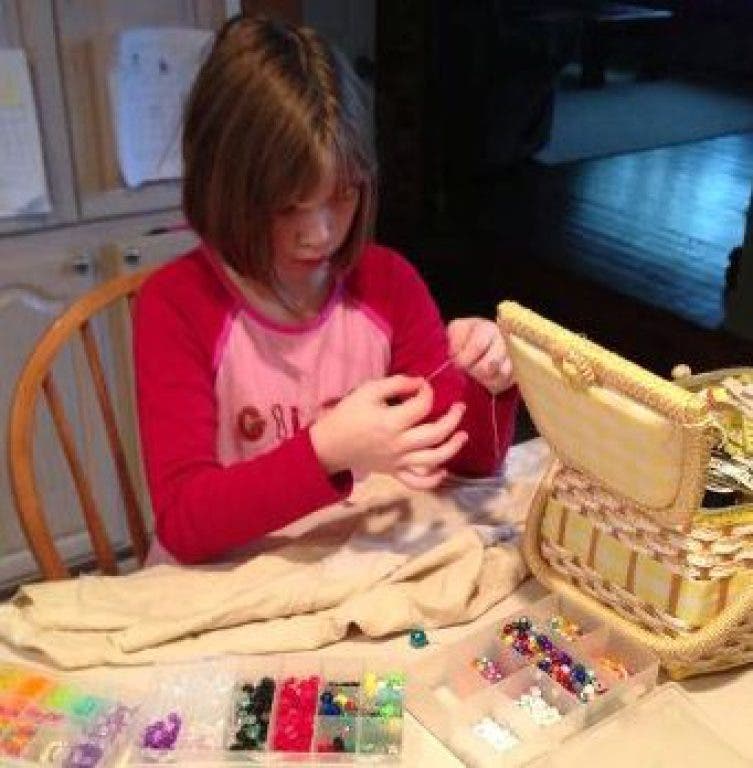
It seems like some people only think about themselves.
You see the evidence everywhere these days: rude drivers, foul language, bad tempers and frivolous lawsuits. I'm guilty of selfish thinking, too – I’ll be the first to admit it.
Where does this behavior (in adults, especially) come from? It had to start somewhere.
I want my children to grow up to be good citizens, good people, good friends. I certainly don't want them to end up with a “me-first mentality.”
How to avoid it, though? How can I train them to avoid being contaminated by the selfishness that's around us every day? I can’t help but think of how we are constantly bombarded with reality shows, teased by ads for $2500 shoes and made aware of millions of political campaign dollars spent recklessly in our country while thousands of Americans are out of work, cold and even starving.
At the risk of sounding like an old fogey (do people even use that word anymore?) I've noticed that "kids these days" seem to be entering young adulthood with a sense of entitlement. They expect success (and the accolades and rewards that come along with it) even if they've done nothing - or very little - to earn it. They think they’re special - and then when they aren't treated that way in “the real world,” they become highly offended, dejected – even despairing.
Why?
Other than the obvious media hype, there must be other things, too. I've been thinking about this. I try really hard to make my kids feel like they’re special. They are special to me, to their families, to their friends, to God.
Find out what's happening in Mentorwith free, real-time updates from Patch.
But are they better than anyone else? Nope.
Wow. Now that I type that out, it seems much more like a concrete truth. I don't want to raise them with a sense of entitlement. How can I teach them that while they are important – and even “special” – that they don't deserve "special treatment?"
These days, it seems like there’s a trophy for everyone. No one wants to feel bad – and of course no one wants their kids’ feelings to get hurt, including me. But guess what? If my child never feels bad – if she never has to learn to deal with feelings of rejection or sadness, then how the heck is she supposed to deal with those feelings when she’s an adult? Childhood is training for life!
Find out what's happening in Mentorwith free, real-time updates from Patch.
I guess what I’m trying to say here – even to sort out in my own mind – is this: am I doing things that might cause my kids to be inconsiderate? To feel entitled?
I recently read something along the lines of this: If a little bit of praise is good for a child’s self-esteem, then a LOT of praise must be great for a child’s self-esteem. Right?
Hmm. I don’t think so. If I praise my child for regular old everyday things, like: “Hey, good job brushing your teeth! Good work hanging up your coat! You are the best scooter rider ever!” just so they’ll feel good about themselves, doesn’t it downplay the times when they actually work hard to achieve something? In their heads, they must be thinking, “What’s the big deal? Anybody can brush their teeth. Sheesh.”
I don’t want them to feel good about themselves because I am proud of them. Who knows? I may not be around forever.
No, I want them to feel good because they are proud of themselves.
I want them to feel good because they earn that feeling – because they actually accomplish something or they help someone or they stand up for what they believe is right.
Not because they are entitled.